Tailored programs designed to rebuild strength, restore mobility, and support a safe return to peak performance.

From the first visit to full recovery, your care with Dr. Ronjon Paul is designed to be thoughtful, individualized, and transparent.
Proudly Affiliated with:
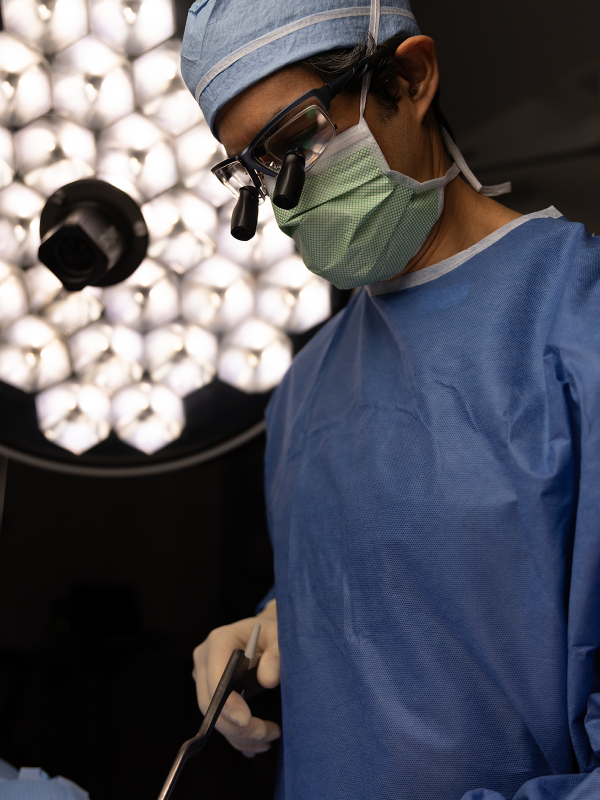
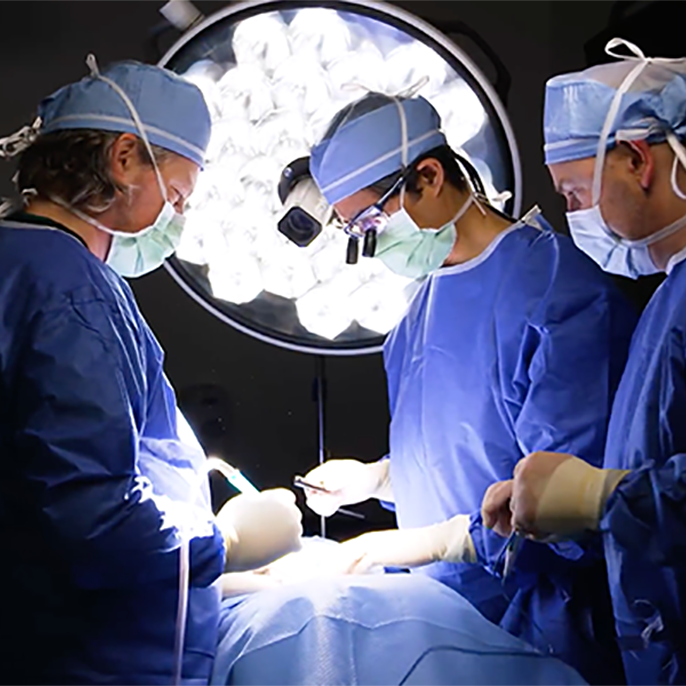
At Paul Spine, care is never one-dimensional. Every patient’s condition is approached with a comprehensive understanding of the spine, combining advanced surgical expertise with thoughtful, non-surgical solutions. From precision-driven lumbar and cervical procedures to innovative therapies designed to relieve pain without surgery, our goal is always the same—to restore function, improve quality of life, and guide each patient toward the most effective path forward.
Whether you’re an active individual working to return to peak performance, someone seeking relief through non-invasive care, or a patient in need of advanced imaging and diagnostics to better understand your condition, our team provides a fully integrated approach. By combining clinical insight, cutting-edge technology, and personalized care, we ensure that every treatment plan is tailored—not just to your diagnosis—but to your life.
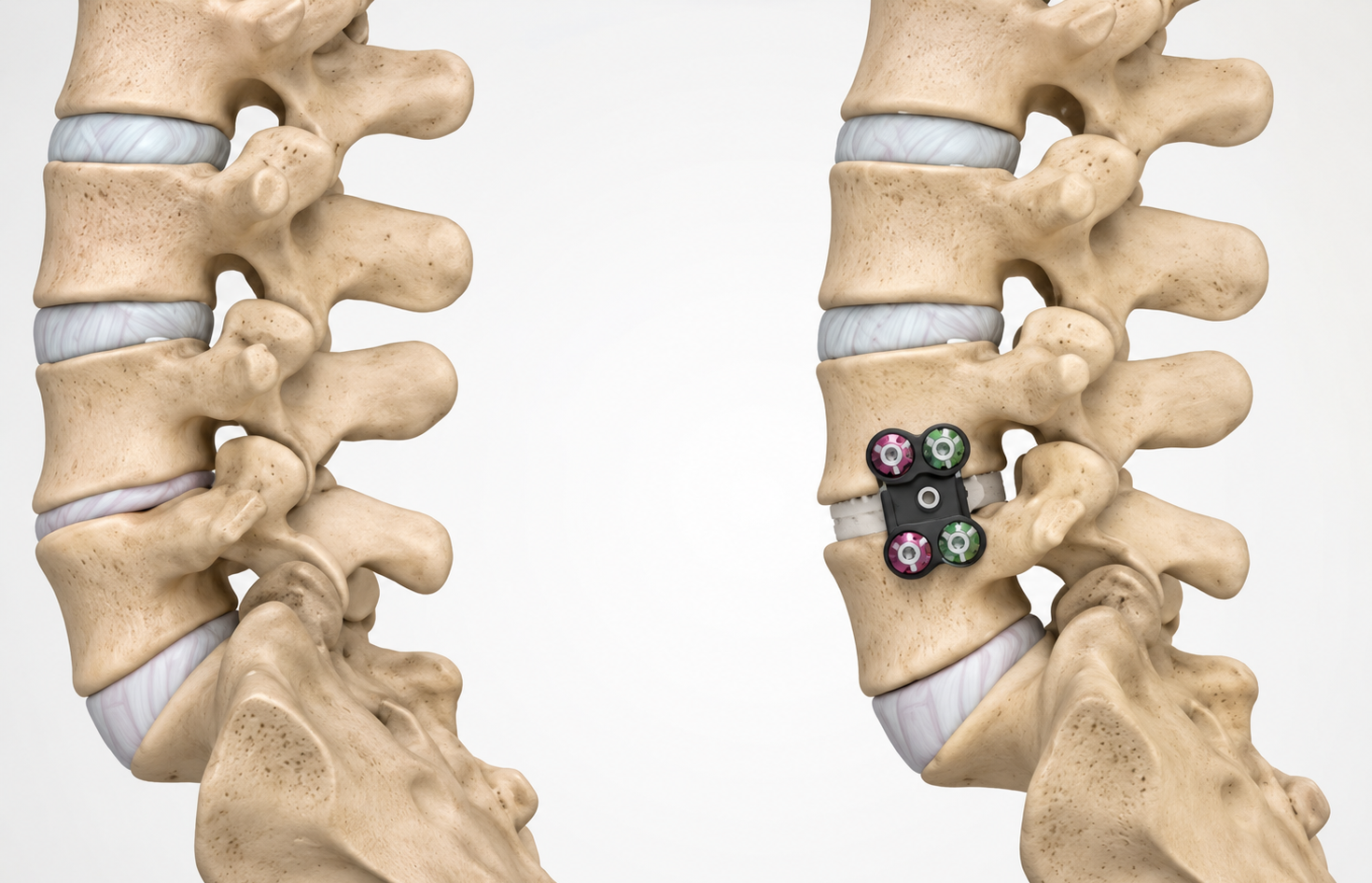
Focused on relieving nerve pressure and restoring stability in the lower back, these procedures help reduce pain and improve mobility.
Targeting conditions in the neck, these treatments relieve compression, restore function, and preserve natural movement whenever possible.
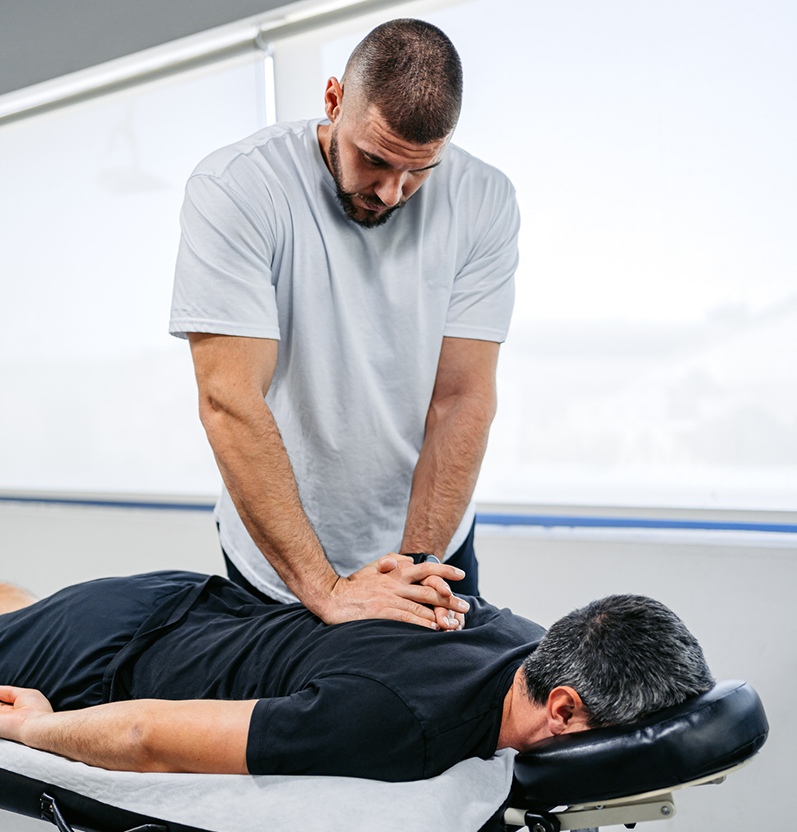
An effective first step for many patients, these approaches prioritize pain relief, improved function, and long-term spinal health without surgery.
Tailored programs designed to rebuild strength, restore mobility, and support a safe return to peak performance.
Conditions affecting the lower back can significantly impact mobility, comfort, and overall quality of life. When conservative treatments are no longer effective, surgical intervention may be recommended to relieve nerve compression, restore stability, and address the underlying cause of pain.
Our approach to lumbar spine surgery focuses on precision and minimally invasive techniques whenever possible. By reducing disruption to surrounding tissue, these procedures are designed to support faster recovery while delivering long-term results.
A minimally invasive approach performed through small side incisions to restore spinal alignment and stability while reducing pressure on affected structures.
A common procedure designed to relieve pressure on spinal nerves caused by conditions such as herniated discs or spinal stenosis, helping reduce pain and improve mobility.
A minimally invasive procedure that removes the portion of a herniated disc compressing a nerve, providing targeted relief and restoring normal nerve function.
A surgical technique focused on stabilizing the spine and relieving nerve pressure by correcting motion between vertebrae through a less invasive approach.
Conditions affecting the neck can lead to pain, nerve symptoms, and reduced range of motion that interfere with daily life. When conservative treatments are no longer effective, surgical intervention may be recommended to relieve pressure on the spinal cord or nerves and restore proper function.
Our approach to cervical spine surgery emphasizes precision and advanced techniques designed to preserve natural movement whenever possible. By minimizing disruption to surrounding structures, these procedures support effective outcomes and a smoother recovery.
Non-surgical treatment focuses on relieving pain, improving mobility, and restoring function through targeted, conservative care. Dr. Paul takes a precise, individualized approach to identify the root cause of each condition, combining therapies that support recovery without the need for surgery. From structured rehabilitation to medically guided pain management, treatment is designed to meet patients where they are and progress them toward long-term improvement.
Care may include movement-based therapies to rebuild strength and stability, activity and ergonomic modifications to reduce strain, and targeted injections to address inflammation and localized pain. When appropriate, additional approaches such as chiropractic care and physiatry are incorporated to create a well-rounded treatment strategy focused on lasting relief and improved quality of life.
Recovery is approached through progressive training that focuses on how the body moves under real physical demands. Emphasis is placed on building control and resilience so movement becomes more efficient and less likely to place unnecessary stress on the spine.
Each program is shaped around the individual’s activity level and long-term goals, allowing for steady progression without rushing the process. The result is a stronger, more reliable foundation that supports a confident return to sport, work, or everyday movement.
MRI provides highly detailed images of soft tissues, including discs, nerves, and surrounding structures within the spine. This allows for precise identification of conditions such as herniated discs, nerve compression, and inflammation.
Radiographic imaging, including X-rays, helps evaluate the alignment and structural integrity of the spine. These images are useful in identifying fractures, degeneration, and changes in spinal positioning.
Nerve studies assess how well signals travel through the nerves, helping detect areas of irritation or damage. These tests provide valuable insight into conditions affecting nerve function and overall neurological health.