Understanding Persistent Pain After Spine Surgery and What Comes Next
Failed Back Surgery Syndrome refers to persistent or recurring back or leg pain after spinal surgery. Despite the name, it does not mean the surgery itself failed. Rather, it reflects that symptoms continue and require further evaluation to understand why.
Dr. Paul approaches this condition with a careful, diagnostic mindset. The goal is to identify the exact cause of ongoing pain and develop a targeted treatment plan. In many cases, meaningful improvement is possible with the right combination of therapies and a clear understanding of what is driving symptoms.
Failed Back Surgery Syndrome is not a single diagnosis, but a general term used to describe persistent pain after spine surgery. It is better understood as a starting point for further evaluation rather than a final explanation.
Even with well-performed surgery, not every patient experiences complete relief. Studies show that a percentage of patients may continue to have symptoms, which can develop immediately after surgery or return months or years later.
There are many possible reasons for this. In some cases, the original source of pain may not have been fully addressed. In others, new changes in the spine or surrounding structures may develop over time. Understanding these possibilities is key to moving forward with the right treatment approach.
Symptoms and Causes
Symptoms often resemble those present before surgery, though they may change in intensity or pattern depending on the underlying cause.
Pain that limits standing, walking, or daily activity
There is no single cause of Failed Back Surgery Syndrome. Instead, it often results from one or more contributing factors. These may include incomplete nerve decompression, recurrent disc herniation, scar tissue around nerves, or failure of a spinal fusion to fully heal.
Other potential contributors include adjacent level degeneration, sacroiliac joint pain, or pre-existing nerve damage that does not fully recover after surgery. In some cases, limited rehabilitation or deconditioning can also play a role in ongoing symptoms.
How is Failed Back Syndrome Diagnosed?
Diagnosis requires a thorough and methodical evaluation to identify the underlying cause of persistent symptoms. Rather than relying on a single label, the focus is on determining what is actually driving the pain.
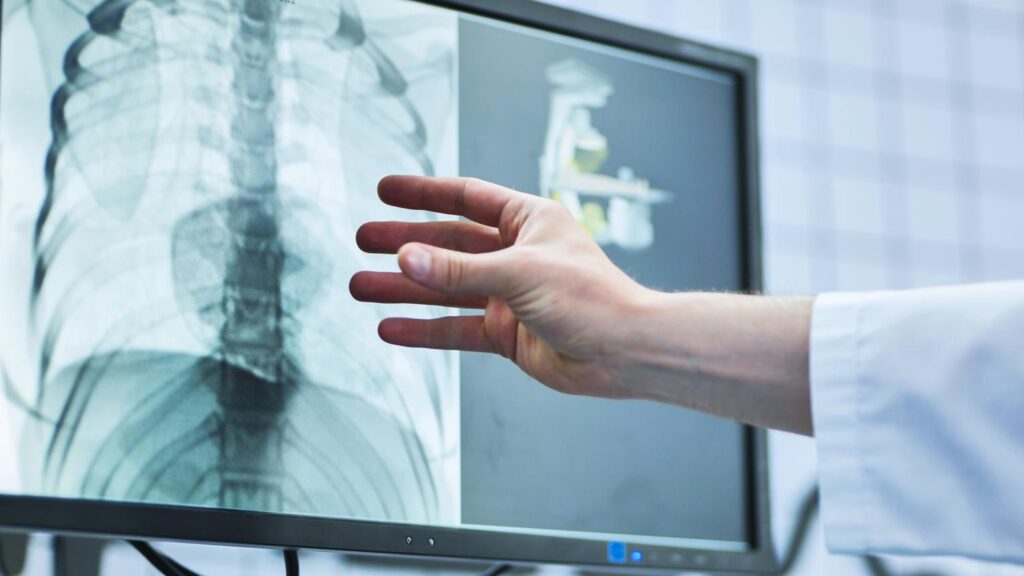
This process typically begins with a detailed review of prior surgery, current symptoms, and functional limitations. Imaging studies such as MRI or CT scans are used to assess for residual or new nerve compression, scar tissue, or structural changes in the spine. X-rays may help evaluate alignment, hardware position, and whether a fusion has successfully healed.
In some cases, additional testing such as nerve studies or diagnostic injections may be used to pinpoint the source of pain. This comprehensive approach allows treatment to be directed toward specific, identifiable issues whenever possible.
Treatment is highly individualized and often involves a combination of approaches aimed at reducing pain and improving function. For many patients, non-surgical management can provide meaningful relief even after prior surgery.
Physical therapy is a key component, focusing on rebuilding strength, improving mobility, and restoring confidence in movement. Medications may be used to address inflammation or nerve-related pain, while targeted injections can help reduce irritation around specific structures.
In more persistent cases, advanced options such as spinal cord stimulation may be considered to help manage nerve-related pain. This approach works by modifying how pain signals are perceived rather than addressing structural changes directly.
A multidisciplinary approach is often most effective, combining physical rehabilitation, pain management, and lifestyle adjustments to support long-term improvement.
When Is Surgery Necessary?
Additional surgery is considered only when a clear structural issue is identified and there is a strong likelihood that intervention will improve symptoms. This may include persistent nerve compression, hardware problems, or failure of a previous fusion.
Revision surgery is more complex than initial procedures, so the decision is made carefully. In many cases, if no correctable structural issue is found, the focus remains on non-surgical treatment and long-term symptom management.
The goal is to avoid unnecessary procedures while still addressing conditions that can be meaningfully improved with surgical intervention.
Still Experiencing Pain After Back Surgery? Schedule an Appointment Today.