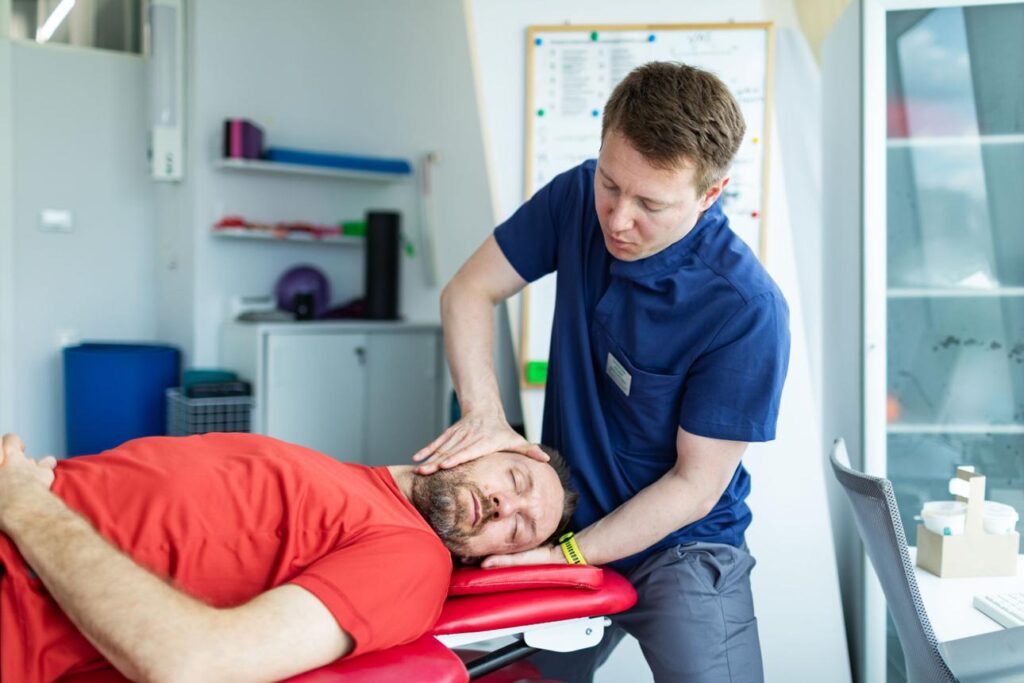
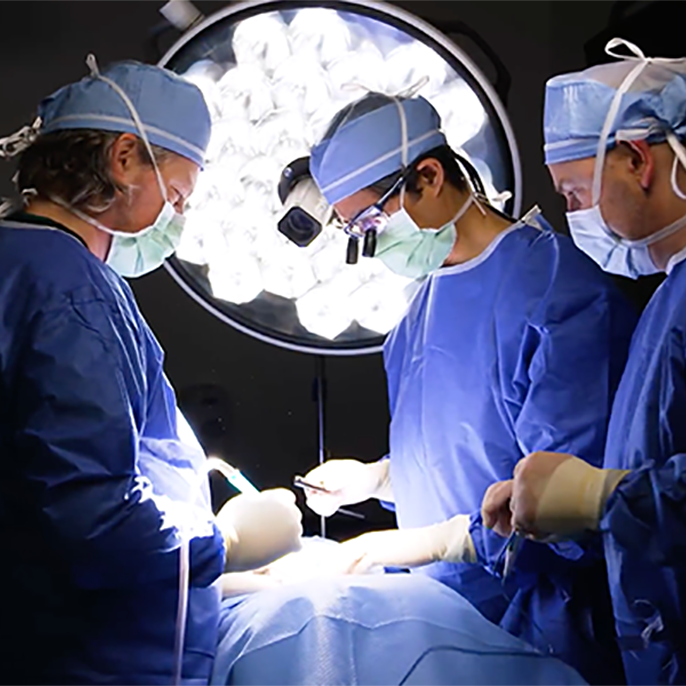
From the first visit to full recovery, your care with Dr. Ronjon Paul is designed to be thoughtful, individualized, and transparent.

Proudly Affiliated with:

(630)646-7000


Physiatry for Spine Care: Non-Surgical Treatment Options

Physiatry: At a Glance

An Overview of Physiatry

Physiatry, also known as physical medicine and rehabilitation (PM&R), is a medical specialty focused on restoring function, improving movement, reducing pain, and helping patients return to daily life without surgery whenever possible.

Physiatrists diagnose and treat conditions affecting the spine, nerves, muscles, joints, and supporting soft tissues.

In spine care, this includes conditions such as sciatica, cervical radiculopathy, lumbar disc herniation, spinal stenosis, degenerative disc disease, and low back pain.

The goal is not just symptom relief—it’s understanding why symptoms are happening, how they affect function, and which non-surgical strategies will lead to lasting improvement.

Key Point:
Physiatry is especially valuable when the right answer isn’t obvious. Many patients don’t need surgery—but they do need a structured plan and clear direction.

A Coordinated, Team-Based Approach

Dr. Paul uses a collaborative model of spine care that prioritizes non-surgical treatment first—while maintaining a clear path forward if symptoms don’t improve.

Most patients benefit from:

  • Accurate diagnosis
  • A structured rehabilitation plan
  • Ongoing reassessment
  • Clear next steps if progress stalls

Because the majority of spine conditions do not require surgery, physiatry plays a central role in guiding care.

Typical Treatment Pathway:
Diagnosis → Rehabilitation & Medication → Image-Guided Injections → Surgical Evaluation (if needed)

This coordinated approach ensures patients don’t get stuck in endless treatment cycles without direction—and don’t undergo surgery prematurely.

What Physiatrists Do in Spine Care


One of the most important roles of physiatry is identifying the true source of pain and dysfunction.


Imaging findings alone don’t always explain symptoms. Dr. Paul relies on physiatry to bridge that gap between imaging and real-world function.


Core Functions of Physiatry:


Diagnostic Precision
Aligning symptoms, physical exam findings, and imaging


Functional Assessment
Evaluating strength, mobility, posture, and activity limitations


Non-Surgical Treatment Planning
Coordinating therapy, medications, and targeted procedures


Long-Term Management
Adjusting care over time and recognizing when escalation is needed


This approach helps avoid both unnecessary procedures and delays in appropriate treatment.

Comprehensive Non-Surgical Treatments

Medication Management

Short-term use of anti-inflammatory or nerve-related medications can help reduce pain and allow patients to actively participate in recovery.

Physical Therapy Integration

Structured physical therapy is a cornerstone of treatment and may include:

  • Core strengthening
  • Flexibility and mobility work
  • Postural retraining
  • Gradual return to activity

Exercise-based care remains one of the most effective non-surgical treatments for spine conditions.

Image-Guided Injections

Targeted injections—such as epidural steroid injections—may:

  • Reduce inflammation
  • Help confirm the source of pain
  • Improve short-term function
 
Lifestyle & Movement Guidance

Long-term recovery often depends on:

  • Sleep quality
  • Movement habits
  • Ergonomics
  • Activity pacing

Clinical Philosophy:
Dr. Paul’s approach is not focused on temporary pain relief—it’s focused on restoring function and preventing recurrence.

What the Evidence Shows

When Physiatry Works Best

Physiatry is highly effective for:

  • Sciatica without progressive neurologic deficit
  • Mechanical low back pain
  • Degenerative spine conditions
  • Persistent symptoms requiring deeper evaluation

Multidisciplinary, exercise-based care is strongly supported in the literature for improving both pain and function.

When Non-Surgical Care Is Not Enough

Non-surgical treatment should not become endless without results.

Dr. Paul emphasizes timely reassessment when:

  • Pain persists despite structured care
  • Neurologic symptoms worsen
  • Imaging confirms ongoing compression
  • Injections provide only temporary relief

At that point, the next step may involve targeted procedures such as:

When appropriate, these procedures may be performed using outpatient spine surgery techniques, allowing patients to return home the same day with less disruption to recovery.

Dr. Ronjon Paul is a nationally recognized leader in spine surgery, celebrated for his innovative techniques and unwavering commitment to patient-centered care

Physiatry: Frequently asked Questions (FAQs)

frequently asked questions
Q: What is a physiatrist?

A physiatrist is a physician trained in physical medicine and rehabilitation (PM&R). In spine care, physiatrists focus on diagnosis, pain reduction, functional recovery, rehabilitation planning, and non-surgical treatment. Dr. Paul often works with physiatrists to ensure patients receive a comprehensive, function-focused evaluation before considering more advanced treatments.

Q: Do I need to see a physiatrist before a surgeon?

Not always, but many patients benefit from a physiatry evaluation because it helps clarify whether non-surgical care is likely to work and whether surgery is actually necessary at that point. Dr. Paul often incorporates physiatry as part of a coordinated care plan to ensure the right treatment path is chosen early.

Q: Can physiatry help with sciatica or a herniated disc?

Yes. Physiatry is often very helpful for sciatica and lumbar disc herniation, especially when the goal is to reduce inflammation, improve mobility, and avoid surgery when safe and reasonable. Many patients improve with structured non-surgical care, while others may later transition to procedures—including outpatient spine surgery—if symptoms persist.

Q: What treatments are typically used?

Treatment may include physical therapy, medication management, activity modification, patient education, and targeted injections such as epidural steroid injections. These treatments are often used together to reduce pain, improve function, and support long-term recovery.

Q: How is physiatry different from pain management?

There is overlap, but physiatry typically places a stronger emphasis on function, movement, rehabilitation, and long-term recovery rather than symptom suppression alone. Dr. Paul integrates this approach to ensure patients are not only feeling better, but actually improving in strength, mobility, and daily function.

Q: How do I know when physiatry is no longer enough?

If symptoms persist despite a structured treatment plan, or if weakness, numbness, or balance problems worsen, it may be time for more advanced imaging review or surgical evaluation. In these cases, Dr. Paul helps determine whether continued non-surgical care is appropriate or if a more definitive solution—such as outpatient spine surgery—should be considered.

Not Sure If This Is What You’re Experiencing? Schedule an Appointment Today.

Final Takeaway

Physiatry plays a critical role in modern spine care by helping patients avoid unnecessary surgery while ensuring they don’t delay needed treatment.

Dr. Paul’s approach combines:

  • Accurate diagnosis
  • Evidence-based non-surgical care
  • Thoughtful escalation when needed

The result is a care pathway that prioritizes function, recovery, and long-term outcomes—whether that involves non-surgical treatment or outpatient spine surgery when appropriate.

References

  1. Hayden JA, Ellis J, Ogilvie R, Malmivaara A, van Tulder MW. Exercise therapy for chronic low back pain. Cochrane Database of Systematic Reviews. 2021;9(9):CD009790.
  2. Hayden JA, van Tulder MW, Malmivaara A, Koes BW. Meta-analysis: exercise therapy for nonspecific low back pain. Annals of Internal Medicine. 2005;142(9):765–775.
  3. Chou R, Deyo R, Friedly J, et al. Noninvasive treatments for low back pain. Annals of Internal Medicine. 2017;166(7):493–505.
  4. Chou R, Hashimoto R, Friedly J, et al. Epidural corticosteroid injections for radiculopathy and spinal stenosis: a systematic review and meta-analysis. Annals of Internal Medicine. 2015;163(5):373–381.
  5. Kamper SJ, Apeldoorn AT, Chiarotto A, et al. Multidisciplinary biopsychosocial rehabilitation for chronic low back pain. BMJ. 2015.
  6. Guzmán J, Esmail R, Karjalainen K, Malmivaara A, Irvin E, Bombardier C. Multidisciplinary rehabilitation for chronic low back pain: systematic review. Spine. 2001;26(9):964–972.
  7. World Health Organization. WHO guideline for non-surgical management of chronic primary low back pain in adults in primary and community care settings. Geneva: WHO; 2023.
  8. Patel K, Upadhyayula S. Epidural Steroid Injections. StatPearls. Updated 2024.
  9. Weinstein JN, Tosteson TD, Lurie JD, et al. Surgical versus nonoperative treatment for lumbar disc herniation. Spine. 2006.